At a Glance
Call the play, even when you can’t run it perfectly.
After a short time working with us, most teams have the language and the tools. They can spot the right move in someone else’s situation within a minute. Calling that move in their own conversation is harder, because it feels awkward and they want to get it right. The best teams have the messy version of the conversation rather than none at all. Three plays to start with: Go to the Source; “You know I’m for you. Can I bring you a challenge?”; and Dial It In.
Watching from the sideline
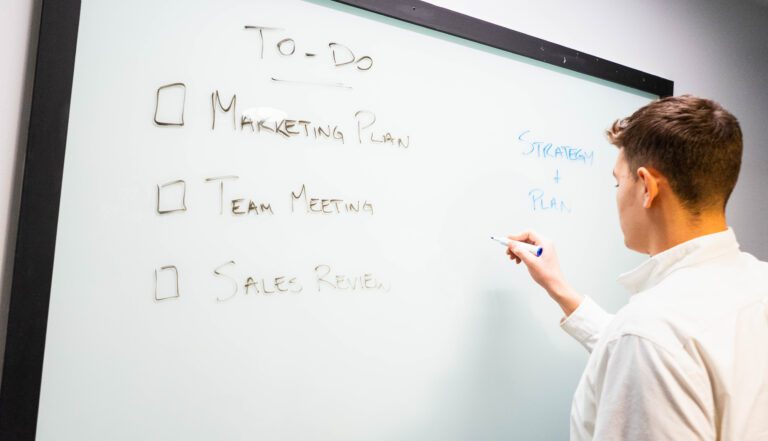
A middle schooler can spend hours at practice learning plays. He can walk through every one of them on the whiteboard, name each position, tell you where the ball is supposed to go. Then the game starts, everything moves faster than it did at practice, and half of what he learned never makes it onto the field.
Wouldn’t it be a waste to learn all of that and never use it when the game comes?
Teams do the same thing.
One exercise we run with teams goes like this. We take real situations people are dealing with (a conversation someone keeps putting off, a pattern nobody has named out loud), change the details enough that nobody can tell whose is whose, and play them out in the room. The assignment is simple: watch from the sideline and call the play.
After a short time working with us, most teams are good at it. A scenario barely gets going before someone says, “That’s a Go to the Source moment.” Somebody else jumps in: “She needs to hear, ‘You know I’m for you. Can I bring you a challenge?'” They know the plays. They can see the moment from across the room.
Knowing the play and calling it
Knowing the things and doing the thing are two different things.
Calling a play for someone else is easy. You’re on the sideline. The stakes belong to somebody else, and the pattern is obvious from where you’re standing. Calling it for yourself, in the middle of the conversation you’re actually in, with the person whose reaction you care about sitting right there, is hard.
I’ve taught these tools for years, and I still catch myself rehearsing the perfect version of a conversation for so long that I never have it.
Part of the problem is that we think we have to do it perfectly. Pointing back to a tool in a real moment feels awkward. It can feel like pulling a card out of your pocket mid-sentence, and we worry the other person will hear a technique instead of a person. So we wait for better words, a better moment, a version of the conversation we’re sure we can do well.
The moment passes. Then the next one does too. (Nobody decides to skip the conversation. It simply never happens.)
That’s how a team can know every play in the book and still lose the game.
The best teams call it in the middle of the mess
The best teams I know call the play even when it’s messy. They aren’t sure how it’s going to go. They call it anyway.
What makes that possible is trust. They know they are for each other, and they’re trying to help each other become the best version of themselves. When people know you’re for them, a clumsy play still lands as care. The words can come out sideways and the conversation can wobble, and it’s still the conversation that needed to happen.
They have the awkward, messy version of the conversation rather than no conversation at all.
Call the play, even when you can’t run it perfectly.
Plays worth calling this week
Plays worth calling
-
1
Go to the Source One of the GiANT tools we use with teams. When there’s an issue with someone, go directly to the person involved rather than around them to talk with others about it. It cuts off drama and gossip before they get started.
-
2
“You know I’m for you. Can I bring you a challenge?” Two short sentences that carry both halves of liberating feedback: high support and high challenge. Saying them out loud tells the other person what kind of conversation this is before it starts, so you don’t need a perfect script for what comes next.
-
3
Dial It In For the moment you and a teammate are pulling opposite ends of an either/or. Ask, “Can you help me see what you’re seeing?” It moves the conversation off the two extremes, and it often turns up a dial neither of you had named. From there you can find the right setting together.
There are plenty of other plays. When the real issue is that nobody can see what anyone else is holding, Cards on the Table is the one we reach for. Pick the one that fits the moment you’re in. The tool does the heavy lifting. Your job is to call it.
Key Takeaway
Call the play, even when you can’t run it perfectly. The awkward version of the conversation does more for a team than the perfect version that never happens.
Practice on others, then call it for yourself
In that sideline exercise, teams practice calling plays for each other first. That’s the easier rep, and it teaches you to see the moment.
Then comes the harder ask. When the time is right in your own situation, call the play for yourself, even if you’re not sure how it will go. Trying the conversation beats waiting for a perfect one. This is how teams get better: one imperfect play at a time, called by people who know they’re on the same side.
If you want a place to start this week, pick one play. Notice the moment you’d normally let pass. Then say the words, awkward and all.
That’s the work we do with teams: helping them make calling plays normal, letting the tools do the heavy lifting, and having the conversations even when they’re imperfect, because we’re all trying to win together.
Call the play, even when you can’t run it perfectly.
Let’s talk
Sometimes it starts with coffee.
Just a real conversation about where you are and where you want to go. We’ll listen first and bring you our best. We’d love to meet you.